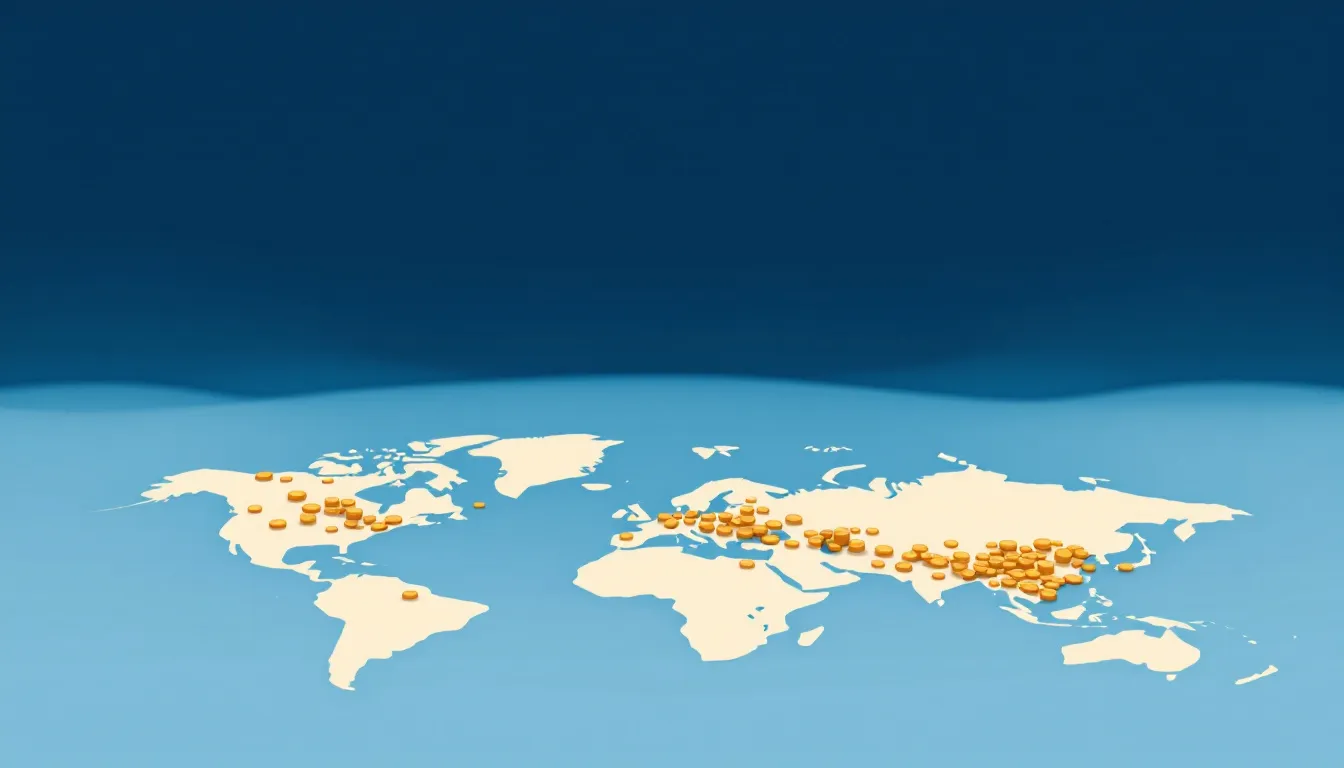
The gap between the cheapest and most expensive places to study a master's is enormous — from no tuition at all to more than £40,000 a year for the same field. We verify international tuition against each university's own page, so here is where the money actually goes furthest.
Germany: often zero tuition
Public universities in most German states charge international master's students no tuition — only a small semester contribution (roughly €150–370). That makes Germany one of the best‑value destinations in the world for a taught master's, especially in policy, engineering and the sciences. You still budget for living costs, but the biggest line is gone. Browse verified German universities to see which programmes we've checked.
The Nordics and continental Europe
Beyond Germany, several systems keep fees modest for the value: Italian public universities use income‑based fees, French public institutions charge low national rates, and a number of Central‑European universities (Czechia, Hungary, Poland) run English‑taught master's for a few thousand euros a year. The trade‑off is that "cheap" often means public and competitive.
Where fees climb
At the other end, the UK, US, Australia and Switzerland's private schools sit highest — UK overseas fees commonly run £23,000–£40,000+ a year, and US public‑policy master's often exceed $60,000. These can still be worth it with a scholarship, which is the real lever.
Compare total cost, not just tuition
Low tuition in an expensive city can cost more overall than higher tuition somewhere cheap. Always add living costs — our cost of living pages list the official student figure each country makes you prove for a visa. Then check which scholarships fund your shortlist.
Tuition is only the sticker. Use the destinations guide to compare verified universities, programmes and living costs country by country before you commit.